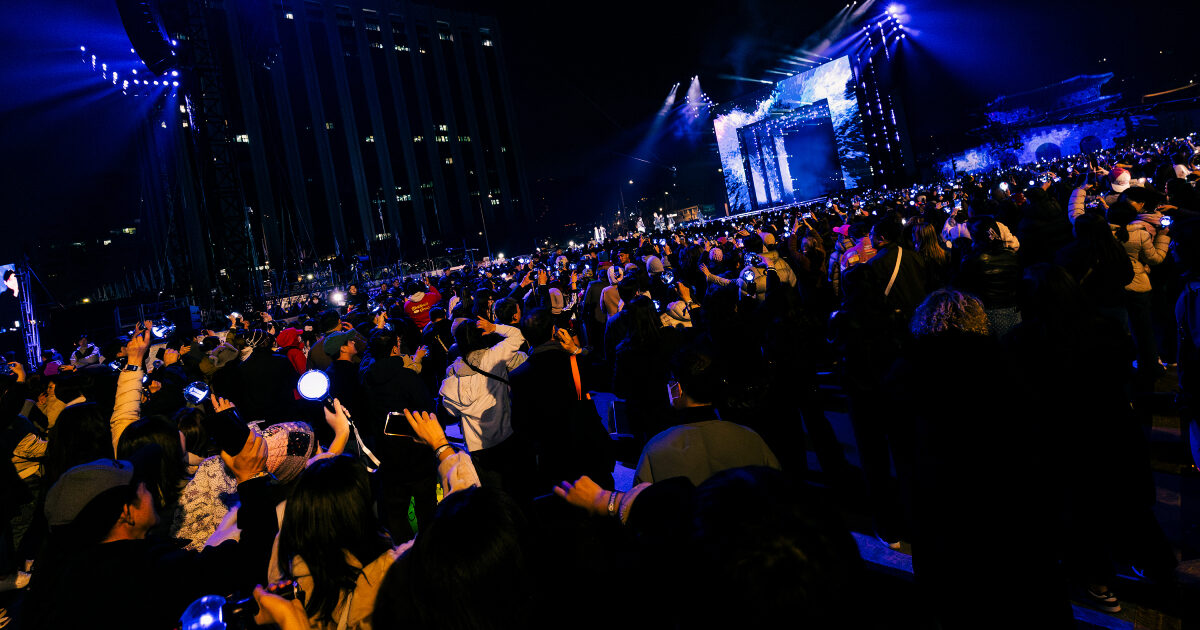
BTS's career arc has been a study in strategic evolution. Since emerging on the scene, the group has consistently expanded their artistic and commercial footprint, building a fanbase that spans continents and demographics. Their ability to adapt without losing their core identity has been central to their sustained relevance.
The K-pop industry in 2026 is a fundamentally different beast than it was even five years ago. Global streaming, social media virality, and an increasingly sophisticated international audience have raised the bar for what constitutes success. BTS have not just kept pace with these changes; they have, in many respects, helped drive them.
BTS's trajectory has been defined by a willingness to defy convention, and this latest chapter is no different. Industry analysts note that the group's approach to career management has become something of a case study in how to maintain relevance in an increasingly competitive market.
What makes BTS's story particularly compelling is the intersection of artistic ambition and commercial strategy. Every move appears calculated yet authentic, a paradox that few acts manage to sustain. The fan community's response has been overwhelmingly supportive, adding fuel to an already significant cultural moment.
From a broader industry perspective, BTS's latest move reflects larger shifts in how K-pop acts navigate the global entertainment landscape. The days of operating within a purely domestic framework are long gone; today's top acts must be global brands, cultural exports, and creative entities simultaneously. BTS appear to understand this better than most.
BTS's management has executed a promotional strategy that balances visibility with mystique, a calibration that is easier to describe than to achieve. The result is an act that feels simultaneously accessible and aspirational, a positioning that maximizes both commercial appeal and cultural cache.
Sources close to BTS's camp describe a creative process that is more intensive than the finished product might suggest. Weeks of refinement, multiple revision cycles, and a willingness to discard material that does not meet internal standards have become hallmarks of BTS's approach. Staff and collaborators consistently point to the group's work ethic as a distinguishing characteristic.
The online conversation has extended well beyond traditional K-pop spaces. General entertainment forums, music discussion platforms, and mainstream media outlets have all picked up the story, indicating that BTS's relevance extends beyond their core demographic.
International fans have been particularly vocal in their response. Translation teams have ensured that language barriers do not impede the flow of information, and regional fan communities have organized watch parties, streaming events, and charitable donations in BTS's name.
From a cultural standpoint, BTS's continued success carries significance beyond the entertainment industry. They represent a larger narrative about Korean soft power, global cultural exchange, and the democratization of pop music fandom. These are themes that will only grow more relevant as the market continues to evolve.