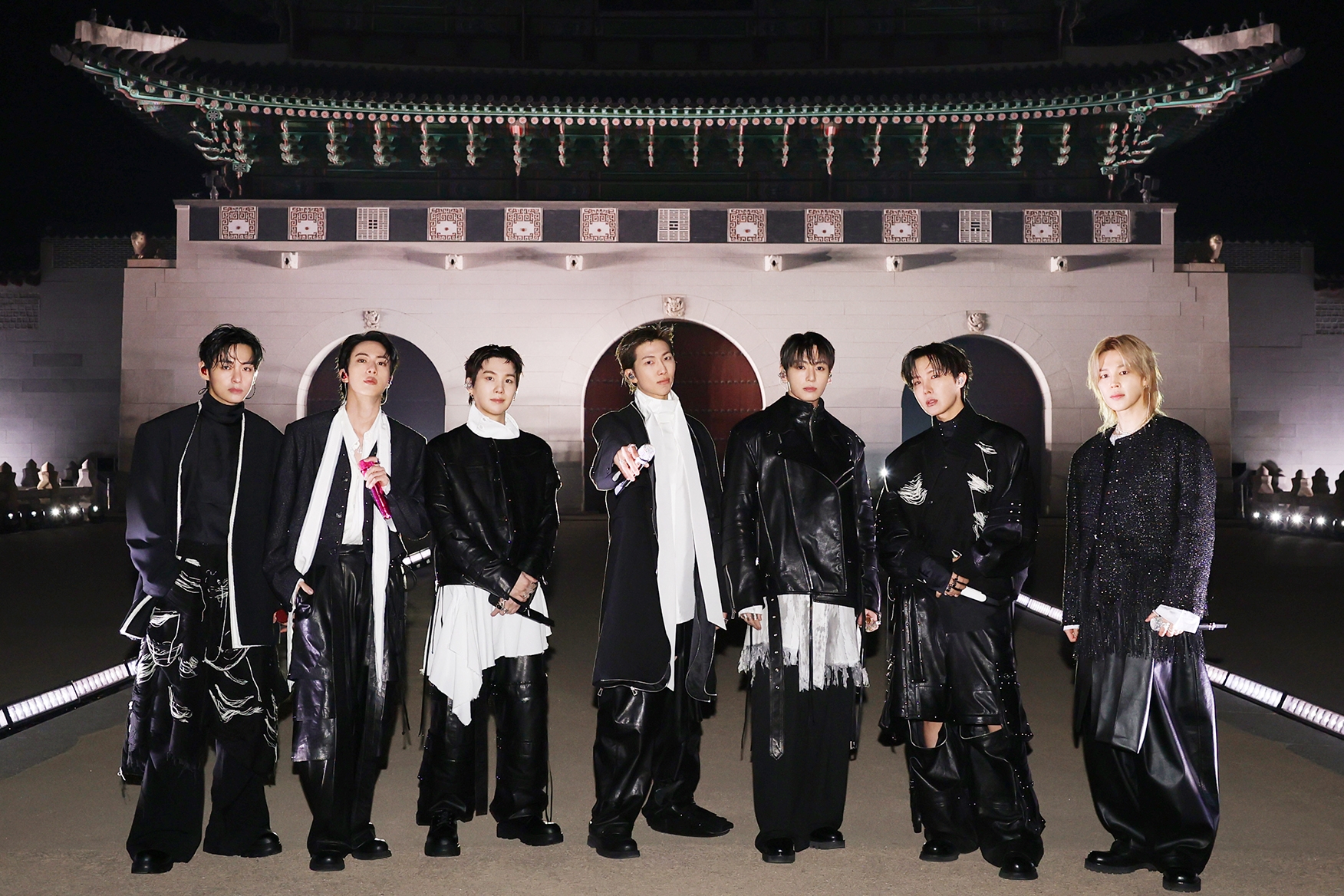
The K-entertainment industry has undergone a transformation so rapid and comprehensive that even its most experienced participants sometimes struggle to keep pace. What was once a primarily domestic business has become a global cultural force, generating billions in revenue and captivating audiences on every continent.
Contextualizing this story requires an understanding of the forces shaping the modern K-pop landscape: the platformization of music consumption, the rise of fan-driven marketing, and the increasing sophistication of international audiences who are no longer content to be passive consumers of Korean cultural exports.
Industry observers have been quick to weigh in on the significance of this development. The consensus, while not unanimous, suggests that we are witnessing a shift in how the K-entertainment industry operates, a change that could have lasting implications for artists, labels, and fans alike.
The broader context is important here. The Korean entertainment industry has been undergoing rapid transformation, driven by global demand, technological disruption, and evolving consumer behavior. This latest development sits squarely at the intersection of these forces.
Fan culture, that uniquely powerful engine of K-pop's global spread, continues to evolve in interesting ways. The organizational sophistication of modern fan communities, their ability to move markets and shape narratives, represents a phenomenon that media scholars are still working to fully understand.
The data points are illuminating. K-pop content streams have increased significantly year-over-year, concert attendance figures have reached historic highs, and the industry's share of global music revenue continues to climb. These numbers reflect not just a trend, but a structural shift in how the world consumes music.
The international response has been particularly notable. Fan communities across time zones have engaged with the story in real time, demonstrating the kind of global connectivity that makes K-pop unique among contemporary entertainment industries.
The industry implications of this development extend well beyond the immediate headline. Executives, artists, and analysts are all recalibrating their assumptions in light of what has transpired, a process that will play out over the coming weeks and months.